





 Family run
 Award-Winning
 Free Car Park
 Pet Friendly
 Quality Products
 Expert Advice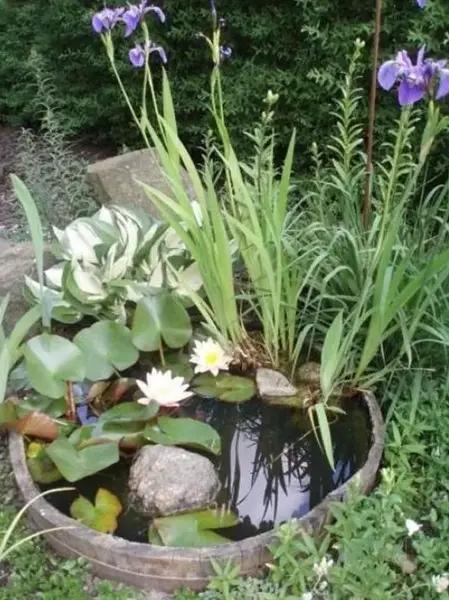
Adding a water feature to your garden doesn’t have to mean digging a pond or undertaking a major project. A mini water garden is a simple, stylish and wildlife-friendly way to bring movement, reflection and life into any outdoor space, even a small patio or balcony.
Here’s how to create your own low-maintenance container water garden.
Choosing the Right Container
Start by selecting a watertight container that’s at least 10–12 inches deep and holds around 15–25 gallons or more. This could be:
- A glazed ceramic pot
- A metal or plastic tub
- A decorative container
If you’re using a terracotta pot, make sure it’s sealed with a butyl pond liner to prevent leaks.
Top tip: Position your container before filling, once full, it will be far too heavy to move.
Finding the Perfect Spot
Place your water garden somewhere that gets around 4–6 hours of sunlight per day.
Too much direct sun all day can cause:
- Overheating
- Excessive algae growth
A partially sunny, sheltered spot is ideal for keeping your water garden balanced and healthy.
Building the Base
Add a 3–5cm layer of gravel to the bottom of your container. This helps stabilise plants and creates a natural-looking base.
Next, arrange your aquatic plants in pots and use bricks or additional gravel to raise or lower them depending on their preferred water depth.
Choosing and Positioning Plants
A successful water garden relies on a mix of plant types to keep the water clear and healthy.
Include these three key groups:
1. Marginal (Shallow Water) Plants
Perfect for the edges of your container:
- Water Forget-me-not
- Marsh Marigold
- Brooklime
- Corkscrew Rush
2. Oxygenating Plants
These help keep the water clear:
- Hornwort
3. Floating Plants
Provide shade and reduce algae:
- Water Lettuce
- Water Hyacinth
For added interest, you can also include a small water lily such as Nymphaea ‘Helvola’ for colour and surface coverage.
Tip: Aim for plants to cover around 50–60% of the water surface to maintain a healthy balance.
Choosing the Right Soil
Avoid standard compost, as it can cloud the water and encourage algae.
Instead, use a heavy, low-nutrient substrate, such as:
- Aquatic compost
- Clay-based soil (e.g. cat litter suitable for ponds)
Filling Your Water Garden
Whenever possible, fill your container with rainwater from a water butt.
If using tap water:
- Let it stand for 24–48 hours before adding plants
- This allows chemicals like chlorine to dissipate
Making It Wildlife-Friendly
A mini water garden can quickly become a haven for wildlife.
Add:
- Stones or pebbles
- Small logs
- Gentle ramps
These allow insects and small creatures to safely enter and exit the water.
Easy Maintenance Tips
Keeping your water garden looking its best is simple:
- Maintain good plant coverage to reduce algae
- Remove any dead leaves regularly
- Top up with rainwater as needed
For extra movement and to discourage mosquitoes, consider adding a small solar-powered pump.
A Small Feature with a Big Impact
A mini water garden is an easy and rewarding way to transform your outdoor space. With the gentle sound of water, beautiful aquatic plants and the chance to support local wildlife, it brings a sense of calm and nature right to your doorstep.
Whether you have a large garden or a compact patio, this is a project that anyone can enjoy, and it’s a wonderful way to get closer to nature at home.